March 19, 2026
When constructing or renovating a property, the materials used throughout the project play a significant role in determining the structure's durability, safety, and overall value. While design and craftsmanship are essential aspects of any construction project, the quality of the materials used behind the scenes often has the greatest long-term impact. From the structural framework to the finishing touches, materials influence how well a property performs over time.
Property owners and developers often consider immediate construction costs when planning a project. However, the long-term value of a property is closely tied to the materials used during construction. High-quality materials can help reduce maintenance needs, improve structural performance, and maintain a property's appearance and function for many years.
According to Global Growth Insights, about 58% of building materials demand comes from residential and infrastructure construction. This statistic highlights how essential these resources are to modern development and why selecting the right materials is such an important decision.
Choosing reliable materials is not simply about aesthetics or convenience. It is an investment in the longevity, safety, and financial value of a property. In this article, we will explore how quality materials contribute to long-term property value and why thoughtful material selection is essential for successful construction projects.
Enhancing Structural Strength and Durability
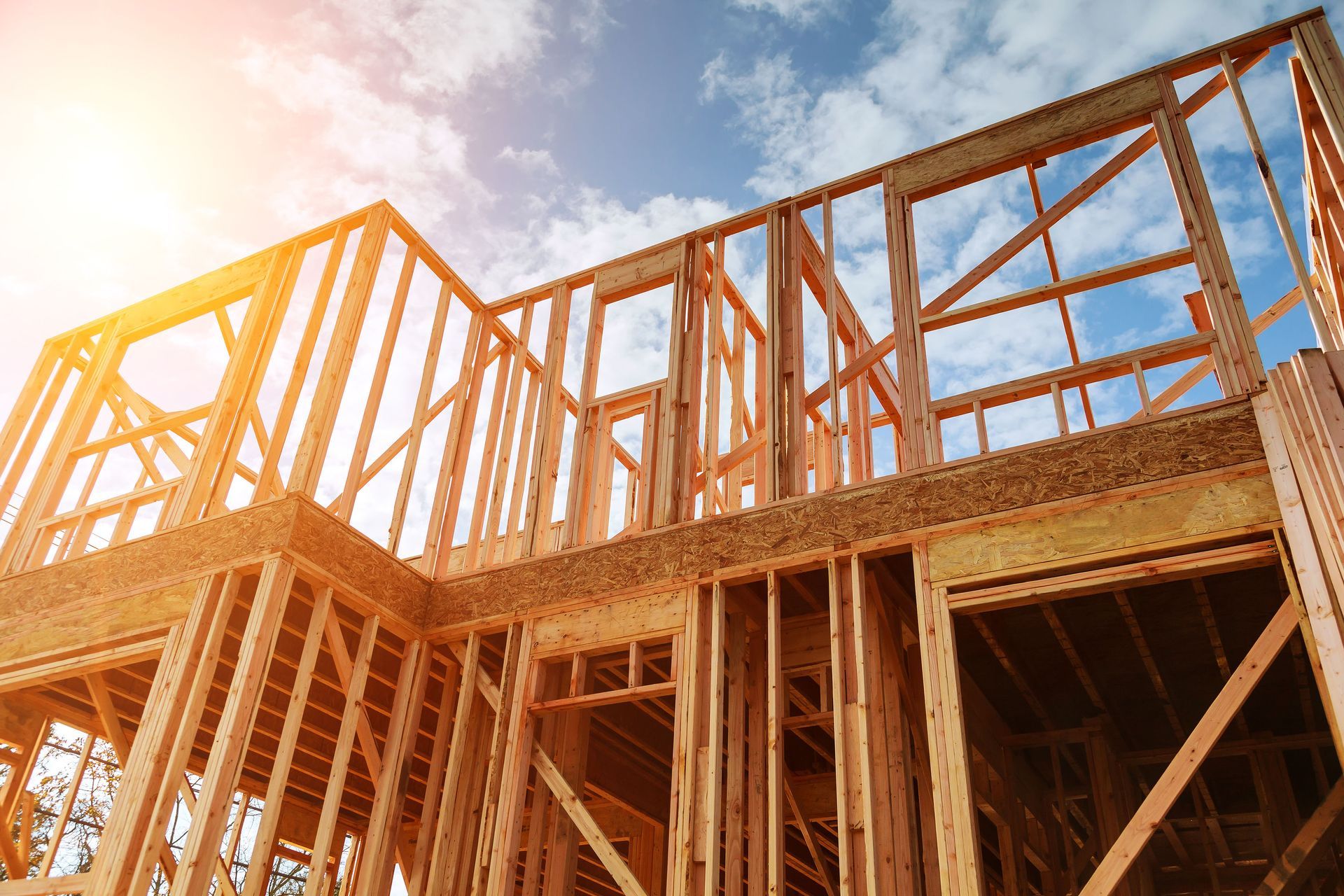
One of the most significant ways quality building materials contribute to property value is by improving structural strength and durability. Every building relies on a framework designed to support the weight of the structure and withstand environmental forces such as wind, rain, and temperature changes.
High-quality materials provide the strength needed to maintain structural integrity over time. Durable framing materials, strong roofing components, and reliable foundational elements all work together to support the overall stability of the building. When these materials perform as intended, they help reduce the risk of structural issues that may require costly repairs later.
Durability also plays an important role in how long a building can maintain its original condition. Structures built with dependable materials are better equipped to handle everyday wear and environmental stress. Over time, this durability helps preserve the condition of the property and supports its long-term value.
By investing in quality materials from the start, property owners may avoid premature deterioration and the expenses associated with major repairs.
Reducing Maintenance and Repair Costs
Another important advantage of quality materials is their ability to reduce long-term maintenance and repair costs. All properties require ongoing upkeep, but the type of materials used during construction can significantly influence how frequently repairs are needed.
Lower-grade materials may deteriorate faster when exposed to weather conditions, daily use, and environmental factors. Over time, this deterioration can lead to recurring maintenance issues such as leaks, cracks, or damaged finishes. Frequent repairs not only increase maintenance costs but can also disrupt daily life or business operations.
Higher-quality materials are designed to withstand these conditions more effectively. Roofing materials with greater durability, moisture-resistant siding, and high-performance flooring are just a few examples of components that may require fewer repairs over time.
Using dependable building materials helps property owners maintain the functionality of their structures while minimizing unexpected repair expenses. This reliability contributes to a property's long-term value and helps create a more stable investment.
Improving Energy Efficiency and Sustainability
Energy efficiency has become an important consideration for both homeowners and commercial property owners. Materials that support efficient energy use can contribute to lower utility costs and a more comfortable indoor environment.
Insulation materials, energy-efficient windows, and reflective roofing systems are examples of construction components designed to improve energy performance. These materials help regulate indoor temperatures by reducing heat transfer between the interior and exterior of the building.
When properties maintain consistent indoor temperatures, heating and cooling systems can operate more efficiently. This improved efficiency often results in reduced energy consumption and lower monthly utility expenses.
Quality building materials can also support sustainable construction practices. Many modern materials are designed with environmental performance in mind, including recycled components or products manufactured using energy-efficient processes.
Energy-efficient buildings are increasingly attractive to buyers and tenants who value lower operating costs and environmentally responsible construction. As a result, properties built with sustainable materials may hold stronger long-term market appeal.
Supporting Long-Term Property Appearance
In addition to structural performance, materials also influence the visual appeal of a property. Exterior finishes, interior surfaces, and architectural details all contribute to the overall appearance of a building.
High-quality materials often retain their appearance longer than lower-grade alternatives. Durable siding, weather-resistant paint, and long-lasting roofing materials help maintain a property's visual appeal even after years of exposure to the elements.
Properties that maintain an attractive appearance are more likely to retain their market value. Buyers and tenants often evaluate a property's exterior condition before considering other features. A well-maintained appearance can create a positive first impression and signal that the property has been cared for properly.
Interior materials also play a role in long-term property value. Flooring, cabinetry, and fixtures that are built to last can continue to perform well even after years of use. This longevity helps property owners avoid frequent upgrades while preserving the overall quality of the interior space.
Increasing Buyer Confidence and Market Appeal
When potential buyers evaluate a property, they often consider both visible and hidden aspects of the structure. The materials used in construction can influence how buyers perceive the reliability and value of the property.
Buyers typically feel more confident purchasing a property built with durable materials and reliable construction methods. Knowing that a building was constructed using quality materials may provide reassurance that the structure is designed to perform well over time.
Real estate professionals often highlight construction quality as an important selling point. Properties built with dependable materials may stand out in competitive housing markets where buyers are evaluating multiple options.
In some cases, documentation about the materials used during construction may even support higher appraisal values. This is particularly true for properties that incorporate modern materials designed to improve efficiency, durability, or environmental performance.
Quality building materials contribute not only to structural performance but also to the perceived value of the property in the real estate market.
Extending the Lifespan of Construction Components
Another key benefit of quality materials is their ability to extend the lifespan of individual building components. Every structure is composed of multiple systems working together, including roofing, plumbing, electrical systems, and interior finishes.
When durable materials are used throughout construction, these systems are more likely to function properly for longer periods. Roofing materials with longer lifespans, corrosion-resistant plumbing components, and sturdy framing elements all contribute to a building's longevity.
Long-lasting materials reduce the frequency of major replacement projects. For example, a high-quality roof may last decades before needing replacement, while lower-grade materials may require earlier upgrades.
Extending the lifespan of these components helps property owners avoid costly renovations and maintain the value of the structure. This longevity is especially important for property investors who plan to hold or lease their properties for extended periods.
If you are planning a construction or renovation project and want guidance on choosing the right materials, speaking with experienced construction professionals at Paradigm Lumber can be a valuable step. Our team can help you select materials that support durability, efficiency, and long-term property value for years to come.