March 13, 2026
Successful construction projects begin long before the first material arrives on-site. They require deliberate planning, disciplined budgeting, informed material selection, and strategic purchasing decisions. From defining scope and identifying essential supplies to choosing the right tools and managing store relationships, every step influences cost control, efficiency, and overall project outcomes. A structured approach reduces risk, strengthens operational flow, and positions teams to execute with confidence.
Understanding Project Requirements
Assessing the Scope of the Project
Assessing the scope of a construction project is the first step in effective planning. It involves understanding the full extent of work required to successfully complete the project. Defining the goals, deliverables, and constraints establishes a roadmap that guides all future planning decisions. Clear scope management helps prevent scope creep, which can lead to cost overruns and delays. Collaborating with stakeholders ensures that everyone involved has a shared understanding of project objectives and expectations.
Identifying Essential Supplies
Once the project scope is defined, identifying the essential supplies becomes a critical task. It requires a comprehensive list of all building materials, tools, and resources necessary for each phase of the construction process. Properly identifying these supplies ensures that each element aligns with project goals and quality expectations. This list serves as a foundation for subsequent procurement, budgeting, and scheduling activities. Robust planning reduces the risks of oversights that could disrupt the workflow.
Budgeting for Materials
Budgeting for building materials is vital to control costs and allocate resources efficiently. It involves estimating the costs based on detailed analysis and market research. Consideration must be given to fluctuations in prices and potential changes in project scope. Effective budgeting requires balancing cost-effectiveness with quality requirements to avoid compromising on the project's integrity. Proper financial planning helps ensure that resources are used wisely and unexpected expenses are minimized.
Timeline and Scheduling Considerations
Timeline and scheduling considerations play a critical role in the successful execution of a project. Creating a detailed schedule helps synchronize activities and manage dependencies. Allocating ample time for each task reduces the likelihood of bottlenecks and delays, which can adversely impact the project's completion date. Time management tools and software can enhance efficiency and ensure adherence to deadlines. Regular progress reporting helps stakeholders stay informed and makes adjustments when necessary.
Regulatory and Compliance Issues
Construction projects must adhere to a myriad of regulatory and compliance issues to avoid legal complications. Understanding zoning laws, building codes, and environmental regulations is essential before project commencement. Non-compliance can result in severe penalties, project delays, or even halts in construction. Therefore, engaging with legal experts and regulators ensures that the project progresses smoothly within the legal framework. Proper documentation and adherence to standards are vital for meeting contractual obligations.
Choosing the Right Construction Materials
Comparing Material Durability
Material durability is a fundamental consideration when selecting construction items, as it impacts the project's longevity and maintenance costs. Comparing building materials based on their resistance to wear and tear helps in making informed decisions. Durable building materials often lead to long-term savings by reducing the need for frequent repairs and replacements. They also enhance the safety and reliability of the structures. Consequently, assessing the durability of building materials is integral to achieving high-quality construction outcomes.
Cost-Effectiveness and Quality
Balancing cost-effectiveness with quality is a crucial challenge in building materials selection. While budget constraints may compel the use of cheaper options, it’s imperative not to compromise on quality. High-quality building materials may come with a higher initial cost, but they often result in less waste and fewer defects over time. According to Science Direct, as much as 30% of all building materials delivered to a typical construction site can end up as waste. Investing in quality reduces such wastage and contributes to sustainable construction practices.
Equipping with the Proper Tools
Power Tools Versus Hand Tools
The choice between power tools and hand tools impacts the efficiency and precision of construction work. Power tools offer speed and convenience, making them indispensable for large-scale projects. However, hand tools are valuable for tasks requiring greater control and finesse. Understanding the strengths and limitations of each tool type aids in selecting the right equipment for specific tasks. A blend of power and hand tools provides the flexibility needed for diverse construction activities.
Essential Tools for Common Projects
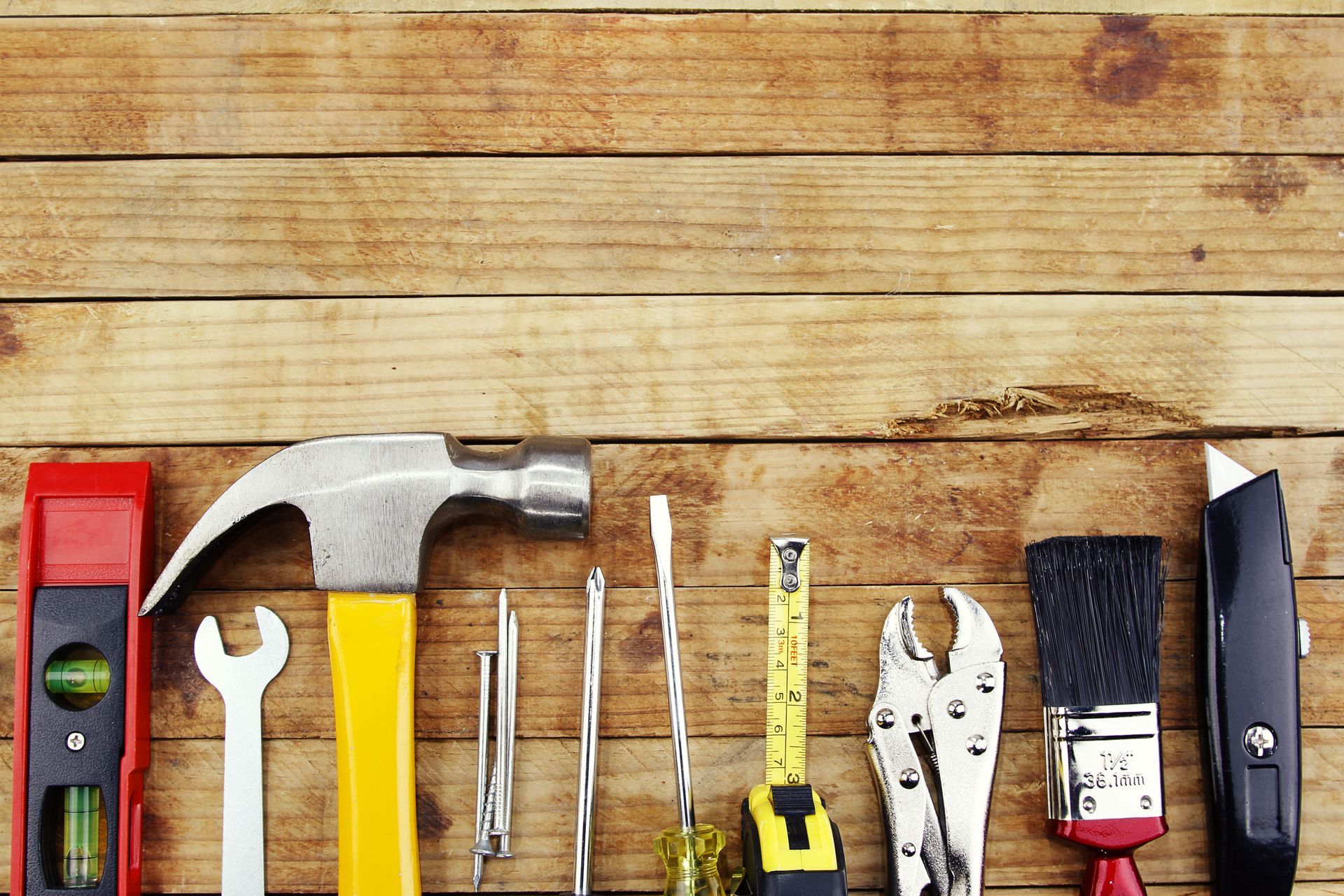
Identifying essential tools for common projects ensures preparedness and boosts productivity. Basic tools such as hammers, screwdrivers, and measuring devices form the core toolkit for various construction tasks. Specialized tools cater to specific project needs, such as concrete mixers for large builds or compactors for roadway construction. Maintaining a comprehensive inventory facilitates smooth project execution without unnecessary delays. Continual updates to the toolkit accommodate advancements in tool technology.
Investing in Multi-Functional Tools
Multi-functional tools offer significant advantages for construction projects by reducing the need for excessive tooling. These versatile tools perform multiple functions, which saves space and minimizes costs. Investing in multi-functional tools enhances efficiency, especially for small to medium-sized projects. They often meet the demands of various tasks with ease, improving workflow and reducing clutter. Purchasing high-quality multi-functional tools ensures durability and long-term usage across projects.
Tool Maintenance and Storage
Proper tool maintenance and storage are critical for ensuring longevity and functional efficiency. Regular inspections, cleaning, and servicing optimize tool performance and prevent unexpected breakdowns. Safe storage practices, including appropriate shelving and organization, protect tools from damage and theft. Developing a maintenance schedule and keeping detailed records of tool condition helps in maintaining operational readiness. Effective management of tools contributes to overall project success by reducing unnecessary expenditure.
Safety and Ergonomics in Tool Use
Emphasizing safety and ergonomics in tool use is paramount to reducing workplace injuries and ensuring compliance with safety standards. Proper training in tool operation, handling, and protective gear usage is essential for maintaining a safe work environment. Ergonomically designed tools minimize strain and enhance comfort during extended use. Continual assessment and updates of safety protocols adapt to evolving industry practices and regulatory requirements. Prioritizing safety and ergonomics boosts worker morale and project outcomes.
Managing Supply Chains
Logistics and Pickup Planning
When shopping at a construction supply store, timing and coordination matter just as much as price. Planning your material pickups around specific project phases helps prevent site congestion and idle labor. Many modern supply stores offer order tracking, staging areas, and call-ahead pickup options that streamline the process. Clear communication with the store team ensures building materials are ready when needed, reducing downtime. Thoughtful pickup scheduling keeps projects moving without unnecessary delays.
Inventory Planning and On-Site Control
Effective purchasing starts with understanding your project’s material requirements. Instead of reacting to shortages, proactive buyers track usage rates and maintain clear reorder thresholds. Many construction supply stores support bulk purchasing, account tracking, and digital invoicing to simplify oversight. Leveraging these tools helps prevent overbuying while avoiding last-minute scrambles for critical items. Strong inventory discipline protects margins and improves job site efficiency.
Navigating Delays and Material Shortages
Material shortages and backorders are a reality in construction. Experienced buyers mitigate these risks by maintaining close contact with store representatives and exploring alternative products when needed. Prioritizing essential building materials and securing them early reduces exposure to supply disruptions. A well-connected supply store can often recommend substitute brands or comparable specifications to keep work on track. Preparedness and flexibility preserve project timelines and budget stability.
Building Strong Relationships with Your Supply Store
A dependable construction supply store is more than a vendor—it’s a strategic partner. Establishing long-term relationships with store managers and sales reps often leads to preferred pricing, early notice of promotions, and improved credit terms. Open communication about upcoming projects allows the store to anticipate inventory needs and secure stock in advance. Mutual trust fosters smoother transactions and collaborative problem-solving. Over time, these partnerships become a competitive advantage that supports consistent project success.
Construction success is rarely accidental. It results from aligning project requirements with smart material choices, equipping teams with the proper tools, and managing supply chains proactively through strong store partnerships. By combining thorough planning with disciplined purchasing and operational oversight, contractors can control costs, minimize delays, and maintain quality standards. When these elements work together, projects move forward predictably—protecting margins while delivering durable, high-performing results. For reliable building materials backed by knowledgeable support, visit Paradigm Lumber today!